Many people with epilepsy and their families worry how epilepsy will affect day to day life. Just as epilepsy differs from person to person, managing and coping with epilepsy is also different for everyone.
The following section will offer a range of practical information about living with epilepsy across the lifespan.
Just Diagnosed It can take time to come to terms with and adjust being diagnosed with epilepsy. One of the most important things is to educate yourself about it.
Self Management Tips Here we have a number of practical tips to help you learn about some lifestyle changes and take a bit more control.
Epilepsy, Safety and Risks No matter what type of epilepsy you have, seizures can increase risks. It is important to know your risks because many of these can be reduced.
Lifestyle Issues You may need to make some lifestyle changes to have a positive effect on managing seizures. These are a few aspects of your life that may need changes.
Mood and mental health Epilepsy and mental health are closely linked. People living with epilepsy experience higher rates of anxiety, depression, and psychosocial challenges that can affect overall wellbeing, quality of life and seizure control.
Information for Teachers To help understand the challenges of children living with epilepsy, and be able to help improve their learning experience.
Mood and Mental Health
Living with epilepsy, like any ongoing health condition, can influence how you view things and make decisions about your life. This can also affect your mental health.
People with epilepsy are 2 to 3 times more likely to experience depression than the general population
Mental health conditions affect about 1 in 3 people with epilepsy and can be caused by both biological and psychosocial factors
There is a two-way connection
People with depression or anxiety are also more likely to develop epilepsy than those without depression or anxiety.
When epilepsy and mental health conditions occur together, it can affect seizure control.
People with both epilepsy and a mood disorder may find it harder to manage their seizures or stay motivated to follow treatment plans.
This can reduce quality of life and create a cycle that’s hard to break without help.
What are these connections?
The impact of living with epilepsy:
Worrying about seizures, medication side effects, stigma, and lifestyle limitations can all affect mood and wellbeing.
Lifestyle changes and limitations such as loss of driving licence can affect work, family commitments, and cause social isolation.
Epilepsy is still a stigmatised condition, which can lead to discrimination and social withdrawal.
Shared biological factors:
Some of the same brain changes, genetic factors, or chemical imbalances that cause epilepsy can also contribute to mental health issues.
The unpredictability of seizures can lead to poor self-esteem, anxiety and depression.
Before and after diagnosis:
Some people may experience depression or anxiety even before epilepsy is diagnosed. These feelings might also become more noticeable after diagnosis, or if seizures are difficult to control.
Your risk of experiencing depression or anxiety can be higher if:
your seizures aren’t fully controlled
you have temporal lobe epilepsy, or
there is a family history of epilepsy
People with epilepsy and their family should be made aware of the risk and implications of mental health problems
Managing mental health
Managing depression and anxiety generally needs an approach that focuses on the individuals circumstances. This may include medication, therapy, lifestyle changes, and support systems.
Effective management can improve both mental health and seizure management, as depression and anxiety can sometimes trigger or worsen seizures
Medication: Medication can help, but choice is important as some may interact with your with antiseizure medications.
Therapy: Talking therapies, such as counselling, psychotherapy, or group therapy, can help improve mental health. Behavioural therapy, may also be an option.
Lifestyle Adjustments:
Exercise: Regular physical activity can improve mood and overall well-being.
Healthy Diet: Eating a balanced diet can positively impact mental health.
Stress Management: Techniques like mindfulness, deep breathing, and meditation can help manage stress, which can trigger seizures in some people.
Sleep Hygiene: Prioritising sleep is important, as sleep deprivation can exacerbate both seizures and mental health conditions.
Support Systems:
Building a strong support network of family, friends, and support groups can provide emotional support and reduce feelings of isolation.
All people with epilepsy should be routinely screened for psychiatric disorder at diagnosis, and at least once a year
Get support early. Talk to your GP or specialist.
Mental health is just as important as seizure control.
Your GP will be able to conduct or arrange any necessary medical tests, provide treatment or refer you to a mental health professional.
A GP can refer you to a psychologist. Medicare rebate is available for up to 10 sessions with a mental health professional each calendar year under the Mental Health Plan.
If this conversation arises with your neurologist, then they can also refer you to a psychologist or appropriate mental health specialist.
You may find it helpful to join an online support group to see how others manage with their epilepsy or situations.
Some online tools that may help:
eCentre Clinic have a Wellbeing Neuro Course for people who have a neurological illness and a mood disorder
MindSpot have an online assessment tool, and provide a therapist-guided treatment course and referrals to help you recover and stay well
It is estimated that 1 in 5 people with intellectual disability have epilepsy compared to 1 in 150 people in the general community.
Having an intellectual disability doesn’t mean a person will have epilepsy, and having epilepsy doesn’t mean a person will have an intellectual disability
Not only is epilepsy more common in people with an intellectual disability, but seizure freedom is less likely and sometimes many medications are taken. This can mean a higher chance of unwanted side-effects and higher treatment costs.
People who live with epilepsy and intellectual disability are more likely to have:
More than one type of seizure
Unusual or uncommon seizures
More frequent or severe seizures, placing them at higher risk of injury and SUDEP
More side effects from medication
All these factors can make diagnosing, recording and managing the epilepsy more challenging.
Diagnosis
Diagnosis of epilepsy for people with intellectual disability can be complex and it is estimated that as many as 1 in 4 people with intellectual disability are misdiagnosed. Because of this, many go without appropriate epilepsy management. Misdiagnosis can affect quality of life and in some instances, expose the person to unnecessary risk.
People with intellectual disability and epilepsy do not always have “textbook” seizures and it is easy to miss or misinterpret seizure activity in someone who has challenges with communication, behaviour or muscle control
Some types of seizures can easily be mistaken for behaviour or mannerisms that may be seen in someone with intellectual disability
An accurate diagnosis is important because it means there is:
Correct management of the seizures and consequent improved health and quality of life
Better understanding of the condition for caregivers and family leading to more appropriate seizure management
Fewer hospital admissions and doctors’ visits
Improved safety
Is it a seizure?
There are many different types of seizures, and some seizures can be more difficult to recognise and are frequently misinterpreted as behaviour or other events. Daydreaming and unresponsiveness, confusion, unusual or inappropriate behaviour and temporary speech difficulties may all be signs of seizures.
There are also several events, medical episodes or actions that can be confused with, or mimic seizures. Some of these include:
It is important to be able to recognise what is a seizure and what is not. Often this is difficult for even an experienced healthcare professional, and this is where clear observation, documentation, and even recording of seizures or events is useful.
Other medical conditions
Often people with intellectual disability have other medical conditions. These can make epilepsy management more difficult. Some of these other conditions may:
Make the seizures happen more often, such as diabetes (low blood sugar) or kidney disease (electrolyte imbalance)
May mimic or be confused with seizures including involuntary or uncontrolled movements that can look like seizures (such as stimming, tics or repetitive movements)
Require medication which can lead to more side-effects or can alter the effects of some epilepsy medications.
Observing and recording seizures
Good seizure observation, plus signs and behaviour before and after a seizure, can really help. This can pick up patterns, seizure triggers and possibly identify other events.
Clear and accurate recording can contribute to better seizure management and improved quality of life.
When recording seizures or other events, you need to know what to look for. Before the seizure, sometimes even for a whole day or two, you may notice a change in behaviour or other symptoms. Sometimes this can be simply a change in mood. A seizure can have up to 4 phases:
The prodrome – a feeling or sensation that can occur several hours or even days before the actual seizure, such as a mood change, headache, or confusion.
The actual start of a seizure which is often called an ‘aura’ or ‘warning’ (not everyone has this)
The seizure itself
The recovery period after the seizure
Try to note what happens in each phase of the seizure – before, during and after. Sometimes it is not always easy to separate the phases. Write down what happens as soon as you can.
Sometimes seizures are unpredictable while others can be triggered. Circumstances or events that can “set off” seizures are called seizure triggers. Don’t underestimate what can be a trigger for a seizure.
sleep deprivation, stress, illness and missed medication,
less common triggers may also include:
Pain, constipation, temperature or weather changes, high levels of emotion such as upset or over-excitement, low blood sugar, dehydration, startle – such as a loud noise, boredom
Keeping a daily diary of seemingly minor or unrelated things, may provide valuable information over time and help to distinguish between seizures and other events or behaviours.
For some people living with intellectual disability and epilepsy, “seizure triggers” can also prompt behaviours of concern
Challenges
Someone with intellectual disability might not understand their epilepsy or what is happening. They may:
Not be able to tell you they are about to have a seizure. This can cause a lot of fear and anxiety.
Not be able to tell you about medication effects or unwanted side effects. Some medications can affect alertness, thinking, moods and make someone feel nauseous or unwell
Find it difficult to understand the importance of taking their medication on time, getting enough sleep, or managing stress
Find it hard to know what their seizure triggers are and how to avoid them.
If the person becomes frustrated or anxious or unable to express themselves, this can lead to ‘behaviours of concern’. This can be challenging as some ‘behaviours of concern’ can mimic seizures.
Poor tolerance to medical tests
Most tests used to diagnose epilepsy require the person to remain calm and still for a lengthy period.
The testing also means a trip to hospital, being wired up to various machines and generally being surrounded by a lot of new people and technology. This can be confusing or frightening for someone living with an intellectual disability and a lack of cooperation can make testing challenging. Which makes diagnosing, recording, monitoring and therefore managing the epilepsy more difficult.
Knowing the person is key
The key to identifying seizure activity is to know the person you are supporting as well as possible, so you can recognise when things are ‘out of the ordinary’ and potentially a seizure.
It is important to know:
What the person likes and doesn’t like
How they usually communicate
What to do to help them calm down
When things are out of the ordinary
Poorly controlled epilepsy can be a chronic, disabling and socially isolating condition which significantly affects quality of life. Appropriate, accurate diagnosis and management of seizures are essential to reduce the impact.
Our fundamental course, which includes seizure first aid is Epilepsy Essentials
Teens and Young Adults
The years between 16-23 include so many changes such as finishing school, finding a job, thinking about relationships, driving and alcohol. It can be a hard for anyone but when you also have epilepsy there can be extra challenges. This is also a time when you need to start being more independent in managing your epilepsy and moving into adult health services. To support young people through this period we have resources specifically designed for young people with epilepsy. Take a look at the links below.
Oz Youth Beyond Epilepsy is our youth Facebook group. This is a great place to connect, share experiences and support each other. With weekly topics and competitions. this is a fun and safe space where you can be comfortable to ask anything.
You will soon have to move into the adult health care system. This is called transition, and some people may find the change stressful. We have developed some resources to help you plan and prepare for this, to reduce anxiety and make the shift smoother.
This online resource covers topics such as dating, depression, study and work and includes videos of young Australians with epilepsy discussing their personal experiences.
This series of vodcast episodes incudes young people with epilepsy telling their story on all sorts of topics such as relationships, employment, travel and more.
An EMP is a personalised plan that outlines how to support a person with epilepsy, including the steps to take before, during, and after a seizure, emergency seizure management and support needs.
Adolescence is often a time of taking more risks, exploring, resisting and experimenting. A common issue that comes up is parties and alcohol. Alcohol and seizures don’t mix well so it is wise to know about the risks. There are also other risks that you can reduce by making some lifestyle changes.
As you move from child to adult services you need to become more independent in managing your epilepsy. This includes understanding seizures and epilepsy. This half hour online course will give you the essential information you need. There is a small cost, but if you call us and register as a client you will not be charged for this course.
We have specialist epilepsy nurses who can speak with you about anything related to your epilepsy – there is no question too small! Call us on 1300 37 45 37 or book an appointment. Our nurses can also help you develop a seizure management plan, provide you with information or speak with your GP about a chronic disease management plan.
Many women with epilepsy find their seizures are affected by hormonal changes. The female hormones estrogen and progesterone have a clearly established link with seizures. See our factsheet on Women and Epilepsy for more information.
We have factsheets on a range of topics including Driving, Alcohol, Mental Health, Pregnancy, Employment and more. Click below to browse the topics. If you still have further questions don’t hesitate to call our specialist epilepsy nurses on 1300 37 45 37 or book an appointment on the website.
Just Diagnosed
Looking After Yourself
People can feel a range of emotions when they are first diagnosed with epilepsy.
Everyone’s reaction is different, but they’re all completely normal.
It can take time to come to terms with a diagnosis of epilepsy, but it’s important to remember even though seizures are disruptive and impact on many areas in life, many people with epilepsy gain good seizure control with regular medications and a sensible lifestyle.
Epilepsy should not define who you are and what goals you would like to achieve.
A new diagnosis usually means having to adjust, getting used to taking regular medication and making some changes to the way you live and work. This can add extra stress, and sometimes change the way you see yourself and relate to others.
It can be difficult to maintain an emotional balance and cope with negative feelings and certainly living with epilepsy can open the door to depression and anxiety. So be aware of the symptoms of these conditions as well as they can creep up on you.
You will have ‘good’ days and ‘bad’ days and you can be affected not only physically, but emotionally, socially and sometimes financially.
Try to learn as much as you can about epilepsy, ask for support when you need it, and involve yourself in your treatment decisions and management.
Maintain your social relationships and don’t isolate yourself. Family and friends are a source of support for most people.
If you want to join an epilepsy support group, Epilepsy Action and Friends Online Support Group is designed to bring together adults who have/had epilepsy or know someone with epilepsy. This is a place for you to share your own experiences, meet others with epilepsy and gain practical advice so you feel supported living with epilepsy.
If your symptoms include anxiety and/or depression, you may want to speak to someone close to you or seek professional advice.
Macquarie University offer a Well-being Neuro Course to help manage the impact of neurological conditions.
Above all, look after yourself. Have a balanced diet, get enough sleep and be active.
There’s no time limit on adjusting to having epilepsy. In fact, most people will find that emotions surface sometimes, depending on what’s happening in their life, especially when experiencing any setbacks or having a bad day. Even if your seizures are controlled, it’s natural to feel sad or worried from time to time.
Experiencing a range of emotions is quite normal, but you should watch out for signs of depression. If at any stage you begin to feel overwhelmed or sadness last longer than two weeks, seek help.
For information and help with depression or anxiety go to:
Adjusting to Life with Epilepsy
It is likely that your diagnosis may lead to some unavoidable life changes. These can range from a change in your transport, job role or lifestyle habits so that it suits your health.
As much as possible try to maintain your normal daily routine, including working, socialising and exercising. Unless or course if your life is extremely busy or stressful, then things might need to change.
Try not to isolate yourself. Have at least one person you can talk to.
Learn about epilepsy and the type of epilepsy you have. It can help you feel a sense of control and will allow you to make informed decisions about your medication, health and lifestyle.
Seek help if you are feeling depressed or anxious. It is quite normal to have these feelings after a diagnosis of epilepsy or any other health condition.
Speak to your doctor if you feel your medication has too many unwanted side effects for you.
Find some support. There are many online support communities for people with epilepsy who share experiences and ask questions. These can be very helpful for some people.
People often find that making some minor changes to lifestyle can reduce seizures. See our Self Management factsheet for more tips. There are a few things you can do to avoid seizure triggers that can not only improve your life but give you a sense of control. These can include:
Avoid Large Amounts of Caffeine or High Energy Drinks
Caffeine is a stimulant found in coffee, tea, chocolate, many soft drinks, high energy drinks, some supplements and medications, including some diet pills, antihistamines and decongestants. Some people with epilepsy report that excessive amounts of caffeine can cause an increase in their seizures. In addition, caffeine may reduce the effectiveness of some antiseizure medications, and disrupt sleep.
It is recommended that the average person consume less than 600 mg per day – around four cups of strong coffee, or five or six cups of tea. For someone with epilepsy we suggest this should be less – around two or three caffeine drinks at most.
Guarana is a natural caffeine source and a stimulant. It is a common ingredient in high energy drinks and herbal ‘weight loss’ teas and can combine with adrenaline to produce an even stronger stimulant effect.
High energy drinks. There are reports of seizures induced by energy drinks. These drinks contain more caffeine than a strong cup of coffee, and the caffeine combined with other ingredients such as guarana, amino acid taurine, green tea and other herbs, vitamins and minerals, may interact.
The combination of the stimulant and sugar can also be dehydrating and when consumed with alcohol may affect heart rates, blood pressure and even mental state. More than one energy drink can lead to side effects which include nervousness, irritability, frequent urination, and heart arrhythmias.
Any substance that is considered a stimulant should be avoided or taken with care and moderation, as they are more likely to increase the risk of seizures.
Avoid these drinks if you can.
Grapefruit and Seville Oranges
Grapefruit can interfere with the way the body absorbs and breaks down (metabolises) certain medications, increasing or decreasing its levels in the bloodstream. One of these medications is carbamazepine (Tegretol). Avoid grapefruit or Seville oranges at all times if you taking this medication. Speak to your doctor about any interactions with your antiseizure medication.
Get Enough Sleep
Lack of sleep is a common reported trigger for seizures for many people with epilepsy. The amount of sleep a person needs will differ, but it is recommended that people with epilepsy stick to a regular bedtime and rising time as much as possible. Try to get a full night’s sleep (7–8 hours) as often as possible.
People with epilepsy should not need an excessive amount of sleep. Constant tiredness and sleepiness may be a sign that medications may need adjusting or there may be other issues. If you suffer from sleeplessness, excessive daytime sleepiness or over-tiredness, discuss this with your doctor.
Stress can’t always be avoided, but you can reduce its impact by changing the way you respond. It is important to identify the cause of stress and find practical solutions. Some known stress busters are:
breathing exercises and muscle relaxation
meditation
yoga
effective time management
music, reading, a hobby
good support networks
exercise and sport
avoiding stressful situations and people when you can.
To deal with stress more effectively, think about what stresses you and how you react to it. Try to:
understand what situations make you feel stressed
understand what situations you can and can’t control
prepare for stressful events in advance
keep yourself healthy with good nutrition, exercise, and regular relaxation
do something positive every day.
If stress is big problem for you, speak to a professional such as a psychologist or counsellor.
Identifying seizure triggers and learning how to avoid them is important for seizure management. Common reported seizure triggers include missed medications, sleep deprivation and stress. There are many other individual triggers.
Avoiding seizure triggers can be difficult at times. Weigh up the risks and look at the quality of life issues. Don’t restrict yourself to the point of not enjoying life any more.
In small amounts, alcohol should not cause seizures, but some people with epilepsy are more affected than others. Alcohol and recreational drugs can increase a person’s risk of seizures. These are a few important points regarding drugs and alcohol:
Most people with epilepsy can enjoy a social drink; however, some antiseizure medications do not mix well with alcohol.
Heavy or binge drinking is not recommended. Not only can this increase the risk of seizures but the associated late nights, missed meals, forgetting medications and poor sleep, can trigger seizures as well.
Antiseizure medication can lower your tolerance for alcohol, so the effects of alcohol are greater. In other words, you will get drunk faster.
The side effects of antiseizure medication may be enhanced by alcohol.
Some substances, such as alcohol, caffeine, nicotine and various prescribed and over-the-counter medications, when taken incorrectly or in large amounts may increase the risk of seizures.
Many illicit drugs, especially stimulants such as cocaine, ‘crack’, ecstasy and speed (amphetamines) plus illicit synthetic drugs have the potential to cause seizures and it is uncertain what interactions these, or any illicit drugs, may have with your prescription medications. There is no certainty about how strong the drug is, or what is actually in it. It is very risky for someone with epilepsy to take these drugs.
How you can manage alcohol
A few pointers if you still like to have a drink.
Avoid binge drinking.
When you are drinking alcohol, drink slowly, stick to low alcohol drinks or have a non-alcoholic drink in-between drinks. Don’t keep up with your friends if they are drinking heavily.
If you are at a party keep your drink in your hand and drink it slowly. That way people won’t harass you to have another drink if they see you already have one.
If you know it’s going to be a late night, the try and catch a nap in the afternoon before heading out. Try to keep late nights to a minimum.
Keep yourself hydrated with non-alcoholic drinks during the night.
Don’t abuse alcohol. This can cause different types of seizures called alcohol withdrawal seizures, and it will make your epilepsy worse.
If you have concerns regarding alcohol or other drugs that you think are affecting your seizure control, discuss these with your doctor.
Many people who live alone enjoy their independence, which is important. A common concern for people with poorly controlled seizures living alone is; what if a seizure occurs causing injury or harm, and nobody knows?
There are many alarms and devices available that can help people who live alone, ranging from telephone alarms, personal alarms, fall alarms, seizure alarms, and daily calls. Some of these products can notify emergency assistance or nominated people should a seizure occur. There are many of options available and costs and service types vary considerably.
Whilst the monitors and alarms don’t guarantee 100% protection or detection, they can be useful, and provide peace of mind. Epilepsy Action Australia has information on some of these products. Do your own research for a broader view.
Some people may have a routine with family or neighbours to either call, drop in or notice abnormal behaviour (such as the blind not being raised, lights not on).
Driving
Seizures causing loss of awareness (even if brief and subtle) or loss of control of voluntary movement impair someone’s ability to control a vehicle.
When you have your first seizure, the doctor will inform you that you cannot drive and for the period you are to abstain from driving. This period will depend on many things including; what has caused the seizure, what type of seizure you had, if it is epilepsy, and what type of epilepsy.
It is important to remember that you will be advised not to drive and, if you have met certain criteria, you will be able to drive again – safely and legally.
Unfortunately, not everyone will get their licence renewed, and others may be issued a conditional license. Ultimately the decision to suspend or renew a driver’s licence rests with the Driving License Authority.
It is also important that you feel confident that you can drive safely.
Self-management means taking an active role in managing your health. This involves learning strategies and skills to help you live a better life such as making healthy lifestyle choices and informed decisions about treatment, and actively monitoring and managing your symptoms.
Here we have a number of practical tips that may help you take a bit more control.
Learn About Your Condition
Try to find out as much as you can about your type of epilepsy so you can understand and learn how to manage it. Your doctor should be able to give you a name.
Knowledge can help you understand your type of epilepsy, which can help you manage it better and reduce your concerns
The more you understand, the more you will be able to take a more active role asking questions and discussing treatment options with your doctor
It can also help you to identify your own seizure triggers or seizure patterns, which helps you to recognise and possibly avoid what may trigger your seizures
The correct information can dispel myths and make you feel more comfortable talking about epilepsy to others if you wish to do so
Take Your Medications as Prescribed
Medications don’t cure epilepsy, but they can control seizures. It is important to keep your medication blood levels consistent to keep seizures at bay, so following the regime the doctor prescribes is important.
If you have difficulty remembering to take medication:
Try to make it part of your daily routine like taking your medications at meal times or when cleaning your teeth.
Put your medications in a visible, but safe place as a reminder. Carry an emergency supply with you when you go out, in case you forget to take them at your regular time.
Set a watch, phone or alarm clock to remind you. There are also medication apps with reminders.
Use a chart or calendar and tick when you have taken your medications.
Consider using a pillbox or ask your pharmacist to pack your medications into a pill pack. These usually have the day and time you are supposed to take the tablets so you can see if you’ve taken them.
Ask someone to remind you.
If your seizures are not responding to a medication or you are experiencing unwanted side effects, speak to your doctor about a review.
Check Before Taking Other Medications or Supplements
Other medications, including over-the-counter medications, may react with antiseizure medication – either increasing the risk of seizures or medication side effects
If you see more than one doctor it is important they know all the medications you are taking. This may affect what they prescribe or the dose they prescribe.
Many people believe that some alternative or complementary therapies are safe because they are derived from natural sources, but just like medication, these therapies have effects and side effects. The same goes for over-the-counter medications.
Speak to the doctor before starting any complementary therapies; herbal medicines, homoeopathic substances and supplements especially ones such as Gingko Biloba, St Johns Wort and Evening Primrose Oil. These may affect seizure control for some people. Read more about using complementary therapies for people with epilepsy.
Your pharmacist should know what over-the-counter medications may interact with your epilepsy medication.
Brands and Generic Medications
There are many different brands and generic epilepsy medications on the market and your pharmacist may offer you an alternative to the one you usually take.
Do not change brands until you have spoken with your doctor. Although there are only slight variations between some brands, this may affect your seizure control or side effects.
Knowing your seizure triggers and trying to avoid them is important for seizure control. Avoiding seizure triggers can be very difficult at times. Weigh up the risks and look at the quality of life issues. Don’t restrict your life to having no enjoyment.
Common reported seizure triggers include missed medications, sleep deprivation & stress
More individual seizure triggers can also include:
Physical fatigue or exhaustion
Emotional upsets, over-excitement
Illness
Hormonal changes in females
Low blood sugar
Heat or weather changes
Alcohol and drug use
Flashing lights and geometric patterns
Keeping a seizure diary may be helpful in identifying patterns and seizure triggers.
Be aware that vomiting and diarrhoea can also trigger seizures because medications may not be absorbed properly and fluid and electrolyte imbalances can occur due to dehydration.
Most people with epilepsy agree that taking their medication regularly and simply being careful with their lifestyle lessens the chances of having a seizure.
Lifestyle and daily habits
Maintain a good sleep routine. Try to go to bed and wake up at the same time every day. Regular, adequate sleep is an important way to reduce seizure risk.
Exercise regularly. Regular physical exercise can improve overall health, reduce stress and support well-being. Check with your health team about safe exercise options.
Eat regular meals and stay hydrated. Low blood sugar and dehydration can trigger seizures for some people. Aim for balanced meals and enough water throughout the day.
Manage stress and emotions. Stress is a common reported trigger for seizures. Simple stress-reduction strategies such as mindfulness, meditation, breathing exercises, or talking with a counsellor can help support emotional health.
Seizure diaries can help to identify seizure triggers, and provide a good picture of seizure patterns. Your seizure diary needs to include:
Date and time of seizures
If you were asleep or awake
Description or type of seizure
What happened before, during and after the seizure, if known
Medication taken and missed that day, including medication for other conditions
Any possible events or circumstances that may have triggered the seizure
General health and energy level leading up to the seizures
Menstrual cycle for women
Preparation and safety
Wear medical ID or carry a card. A medical alert bracelet or wallet card can help others recognise your condition and respond appropriately.
Educate those around you. Teach family members, friends, teachers and colleagues what your seizures look like, and what to do if one happens.
Plan for emergencies. Have an up-to-date epilepsy management plan and ensure key people know who to contact if a seizure happens.
Self-management is now encouraged in many areas of healthcare, and with ready access to so much information people are now more likely to be involved in their own health decisions.
Join a support group
Connecting with family, friends or epilepsy support groups can reduce feelings of isolation and help you share experiences and tips.
Epilepsy Action and Friends Online Support Group is designed to bring together adults who have/had epilepsy or know someone with epilepsy. This is a place for you to share your own experiences, meet others with epilepsy and gain practical advice so you feel supported living with epilepsy.
Oz Youth Beyond Epilepsy is a great place for young people aged 16-23 years to connect, share experiences and support each other. There will be weekly topics, competitions and opportunities to make your own video to share.
Many people need to make some minor lifestyle changes to have a positive effect on managing seizures. By doing this, you can play an active role in your seizure and trigger management.
These are a few aspects of your life that may need changes.
Women with epilepsy face some different issues to men with epilepsy. Many women find that their seizures are affected by hormonal changes.
The following general information aims to make it easier to ask questions when visiting your doctor or specialist.
Seizures and hormones
What do hormones have to do with epilepsy?
Both oestrogen and progesterone act on certain brain cells. Oestrogen excites the brain cells whereas progesterone, calms the brain cells down. Most of the time there is a balance between these hormones. However, when the oestrogen level is higher, during ovulation and menstruation, seizures are more likely to occur in some women.
The female reproductive hormones, oestrogen and progesterone, have an influence on seizures.
When seizures are exacerbated or occur exclusively during ovulation or just prior to or during menstruation it is called catamenial epilepsy.
Keeping a diary of your menstrual cycle and seizures is a good way of identifying if hormones are a seizure trigger for you.
Although hormones generally do not cause seizures, they can influence their occurrence. This is why some women have seizures or changes in seizure patterns more often at times of hormonal fluctuations such as puberty, ovulation, menstruation or menopause.
Puberty
Puberty is a time of complex physical, hormonal and emotional changes. Fluctuating hormone levels during puberty can affect seizure control. The physical changes and growth can also happen so quickly that the body may need a higher dose of medication. This may be a good time to have medication blood levels checked and the dose may need to be increased or changed.
Menstruation
Many women with epilepsy have a tendency to have more seizures at certain times of the menstrual cycle, particularly ovulation and just before or during menstruation. This may be due to:
hormonal fluctuations,
fluid retention,
reduced blood levels of antiseizure medications before menstruation,
sleep disruption
and possibly pre-menstrual tension or stress.
Menstrual changes have been identified in 30-50% of women with temporal lobe epilepsy. These can include irregular menstrual cycles, an absence of menstruation or prolonged or shortened menstrual cycles.
Catamenial epilepsy means that seizures are exacerbated or occur exclusively in relation to the menstrual cycle and may affect up to 40% of women with epilepsy.
Fertility
Some women with epilepsy may find it more difficult to become pregnant. There are many different causes of this reduced fertility including an irregular menstrual cycle, having epilepsy, taking certain medications or multiple medications, or other associated conditions such as polycystic ovary disease.
Polycystic Ovary Syndrome
Polycystic ovary syndrome (PCOS) is a reproductive disorder that results in lower fertility. Women with epilepsy can have features of PCOS and polycystic ovaries (PCO) at a higher rate than the general population.
The symptoms for PCOS can include:
Excessive hair growth on the face, chest, abdomen
Hair loss, in a classic “male baldness” pattern
Acne
Polycystic ovaries (seen on ultrasound)
Obesity, particularly central obesity (being apple-shaped)
Infertility or reduced fertility
Irregular or absent menstrual periods
Taking sodium valproate can increase the risk of weight gain, elevated testosterone levels and menstrual abnormalities which are features of PCOS. There is no evidence it causes PCOS but it can increase the risk.
Speak to your doctor if you have concerns about these symptoms. For more about PCOS
Contraception
Some antiseizure medications and hormonal contraceptives may affect each other’s metabolism and how they work. This has the potential to increase the risk of seizures, medication toxicity or an unplanned pregnancy.
This does not mean that women with epilepsy cannot use hormonal contraception it means that they may need use one that is suited to their antiseizure medication.
Antiseizure medications that may interact with oral and subdermal implant contraceptives*
Carbamazepine
Lamotrigine
Oxcarbazepine
Perampanel
Phenobarbitone
Phenytoin
Primidone
Rufinamide
Sodium valproate
Topiramate
Antiseizure medications that do not interact with oral and subdermal implant contraceptives *
Acetazolamide
Clobazam
Clonazepam
Diazepam
Ethosuximide
Gabapentin
Lacosamide
Levetiracetam
Pregabalin
Sulthiame
Tiagabine
Vigabatrin
Zonisamide
Antiseizure medications that may have a limited clinical interaction and in some people may require additional contraceptive measures to be discussed with your prescribing doctor*
Sodium Valproate
It may be worth considering long acting reversible contraceptives in women with epilepsy taking certain antiseizure medication. This is something you should discuss with your specialist.
Women taking certain antiseizure medication may require a higher dose of the morning after pill than other women. Always tell the pharmacist what medications you are taking.
It is not recommended to use this medication as a routine contraceptive method.
Non- hormonal contraception
Epilepsy and antiseizure medications do not hinder the effectiveness of the intrauterine contraceptive device (IUD), cervical cap, diaphragm or condoms.
Pregnancy
If you are thinking about having a baby it is best to be informed and prepared. This gives you time plan to make changes to medication, lifestyle and work if you need to – and to try and get seizures under the best possible control.
People worry about having seizures during pregnancy, but most women do not experience any change in seizure frequency.
A few points
Over 93% of women with epilepsy can expect to have normal healthy babies.
Less than 20% of women with epilepsy will have an increase in the number of seizures during pregnancy. Most women will not notice any change in their seizures.
It is desirable to get the best possible seizure control before falling pregnant. Wait until any medication changes are stable before trying to conceive.
There is no evidence that focal seizures or absence seizures are a risk to the unborn baby. However, tonic-clonic seizures are potentially harmful to both mother and baby.
It is preferable, but not always possible, to be taking only one antiseizure medication during this period. Both the neurologist and obstetrician will be involved in reviewing your medications.
Because folic acid is thought to reduce the risk of birth defects it is wise to start taking a recommended dose and be in good general health at least one month before conception.
Monitoring of medication levels may be necessary because of changes in metabolism of the antiseizure medication during pregnancy.
Sodium Valproate a medication known to increase the risk of birth defects and developmental disorders for an unborn baby. This is a commonly used medication for epilepsy and provides effective seizure control for many people. It is recommended that sodium valproate should not be used in pregnancy unless the woman has a form of epilepsy that is unresponsive to other anti-seizure medications. If you are taking this medication before pregnancy, it is best to change medication, but if no other medication controls your seizures well, then your neurologist will advise you about the safest dose to take whilst pregnant.
The Australian Pregnancy Registerfor women taking antiseizure medication is conducting continuing research on the incidence of birth defects from pregnancies of women taking these medications.
This is very important as your epilepsy treatment should be reviewed well before pregnancy to have the best seizure control on the lowest but effective dose of suitable medication.
By working with your doctor, you can lessen any risks to you and your baby. This is an important time to ask questions.
Unplanned Pregnancy
Pregnancy can be a very emotional time in a woman’s life. If the pregnancy is not planned, it can raise many different feelings and emotions. Women with epilepsy may be worried about the effects the medication may have on the baby, or how they will cope with the extra stress of having a baby, and other impacts it can have.
It is important not to stop taking antiseizure medication as this can pose an even greater risk to both mother and baby.
If you find that you are unexpectedly pregnant, DO NOT stop taking your antiseizure medication, speak to your doctor immediately. Go to Unplanned Pregnancy for more information
What to do:
Don’t panic and stop or change your dose of antiseizure medication – speak to your doctor
Have your pregnancy confirmed
Speak with your doctor – and discuss your options
Get support from someone close to you or a counsellor
Look after yourself, avoid alcohol, don’t smoke or take unnecessary or illicit drugs
Look into your options and seek unbiased advice as soon as possible. Do not rush into a decision, but long delays may mean you have less options available to you
Deciding to continue or end the pregnancy is a very personal decision based upon your individual situation, religious or cultural beliefs. Explore all possible scenarios before making a final decision
Making a well-informed decision can help reduce stress and the emotional impact in a difficult situation
Record any seizure activity and attend follow up appointments with your doctor
Watch Epilepsy Specialist Dr Michelle Kiley answer questions about women and epilepsy:
Menopause
When a woman goes through menopause, there are changes in the hormones produced by the ovaries, oestrogen and progesterone, it is likely this will affect seizures in some way. For some women seizures may stop while others may have an increase in seizures, many women have no change in seizure frequency.
Menopause can bring about many symptoms including hot flushes, sleep difficulties and mood swings which are sometimes managed with hormone replacement therapy (HRT). HRT contains either oestrogen or a combination of oestrogen and progestogen. NOTE: HRT is now often termed MHT
Epilepsy is known to be hormone sensitive, and oestrogen is known to affect seizures for some women. The amount of oestrogen HRT contains is small and often not enough to trigger seizures, however many women with epilepsy do report an increase in seizures once commencing HRT.
If you take HRT and find you are having more seizures than usual, it may be related and you will need to discuss this with your neurologist to consider possible alternatives or different combination of HRT oestrogen and progestogen. Also bear in mind that some anticonvulsant levels may be lowered by the HRT.
Menopause can create sleep problems and quality of sleep, especially in women who experience hot flushes.
Sleep difficulties can increase significantly during the peri-menopause and menopause period. This can also affect seizures.
Menopausal women with epilepsy have an increased risk of osteoporosis and the role of HRT in preventing osteoporosis is particularly important for women with epilepsy. Some antiseizure medications can reduce bone density and some people with epilepsy are at risk of falls, and therefore at higher risk of bone fractures. Bone density testing may be recommended if you are on certain types of antiseizure medications. Osteoporosis can be treated but preventative measures are better. High calcium diet, calcium supplements and vitamin D have all been shown to assist with maintaining bone health, as well as regular exercise.
Discuss these options with the doctor to ensure they do not interfere with your antiseizure medication.
An online support group for women living with epilepsy to speak openly about what they are going through, with people that understand their story. Designed to encourage and support each other, be a shoulder to lean on, an ear to listen, as well as having a good laugh together and celebrating our successes.
EmpowerHER Conference
Men’s Issues
Epilepsy can be associated with unique, gender specific challenges related to mood, sexual health, and self image. This differs from person to person, but gender can be a factor on how epilepsy affects someone.
The impact of epilepsy can differ between genders, across the ages. For instance:
Males quote driving, physical activity limitations, employment and financial worries as their main concern compared to females who worry more about pregnancy and fatigue.
Both men and women report challenges with their memory and moods such as anxiety and depression.
Both men and women with epilepsy tend to have problems with reproduction although these are slightly different.
Males pursue epilepsy surgery more actively.
Males have a higher rate of more severe seizures such as status epilepticus, sudden unexpected death in epilepsy (SUDEP) and death compared to females.
Males with epilepsy have a higher prevalence of mood disorders when compared to males without epilepsy.
Medications
Starting medications
Your doctor will prescribe an antiseizure medication to control the seizures. Sometimes it can take several months before the best medication and dose are established for you. During this time, it is worth keeping a diary of your seizures, symptoms and any medication side-effects you experience.
If you feel your medication is not working for you, or you have side effects that impact your life, raise this with your doctor so you can work together to find the best treatment. There are many different medications used for epilepsy.
Sex drive – Many people with epilepsy report some change in sexual desire (libido) or activity as a result of their epilepsy. The most common change is a generally less interest in sex. Many other factors can be involved in loss of libido including depression, anxiety, seizures and medication.
Erectile dysfunction – some medications may cause erectile dysfunction in men. This can be discussed with your specialist and medications can be changed if this is found to be the cause or contributing.
Self esteem
Some people with epilepsy can have difficulties with self-esteem. They can feel self conscious about having epilepsy and worry about having seizures in public. Other things that can affect self esteem include a fear of being judged or discriminated against, and the loss of independence.
The effects of low self esteem can include general life dissatisfaction, depression, anxiety, loss of confidence and sexual problems.
If your low self-esteem is affecting your day-to-day activities, it’s important to seek help. You can talk to your doctor or a mental health professional such as a psychologist. Look here for resources and support.
Changes because of epilepsy
Being diagnosed with epilepsy will no doubt change a number of things in your life.
Sometimes this will be short term, sometimes longer.
Some life changes that may happen include:
Change in role – possibly within the family and/or the workplace. This can be a challenge if you are no longer able to work or drive. Major role changes can affect your self-esteem, cause anxiety, and/or depression, contribute to relationship problems, and create a lot of personal stress. It may also cause difficulties in planning a future.
Change in employment – Seizures may force someone with epilepsy to have to change jobs or reconsider their work role. Losing your drivers license can be a big contributor to this. This can lead to financial hardship, depression or mood changes.
Unemployment – can be up to two to three times that of the general population and can often happen suddenly if there are significant safety concerns, especially if a seizure occurs in the workplace.
Underemployment – because of safety concerns or undue concerns about seizures, or difficulty finding employment, people are often employed in a position lower than what they can perform – providing less income and less self-assurance.
Change in income – financial struggles increase stress and ultimately affect health. A diagnosis of epilepsy can not only cause employment changes, it can lead to increased costs related to medical tests, doctors’ visits medications and possibly transport.
Loss of drivers licence – this can have an enormous impact on role, employment, social life and life in general. It can cause social isolation and dependence on others.
Social life – Drinking habits and late nights usually need to be modified – which can impact your social activities. This may cause feelings of anger, resentment, denial and social isolation – which can also lead to non-compliance with a healthy lifestyle or taking medications as prescribed.
These changes don’t apply to everyone and aren’t necessarily long term, they may be temporary until you have your seizures well managed.
What you can do
A diagnosis of epilepsy can be life-changing in many ways. There are ways you can help improve your situation. Try not to focus on what you can’t change, look at what you can change.
1.Seizure control
It is important to take your medications as prescribed and make some lifestyle changes to improve your chances of good seizure control.
2. Identify seizure triggers
Try to identify what circumstances tend to bring on your seizures. Commonly reported triggers include missing medication, stress, lack of sleep or over-tiredness, alcohol, sickness, or you may have your own specific triggers. Keep a diary of your seizures and the circumstances in which they happen. This can identify patterns and things that may be setting off your seizures. When you understand this, it is a good start to avoiding situations that may trigger your seizures.
3. Go through the motions
It’s normal to go through a range of emotions when you are diagnosed with epilepsy. It can be a difficult condition to predict and know what is going to happen. Find someone to talk to, a support group or online community, share it with your partner or close friends or find a professional. You can also call us for advice and guidance.
4. Be active, keep healthy
People report they have fewer seizures when they lead a healthy lifestyle. Try to eat well and get enough sleep.
Exercise and being active is good for your mental and physical health, reduces stress and improves sexual function. Keep busy and continue your normal activities (unless your doctor suggests it’s unsafe, or find other activities that you can enjoy). Keeping active takes the focus off worrying about your seizures and is good for your overall health.
When you first start taking medication it may make you feel tired. This is common and your body should adjust to this, but try not to keep too many late nights and avoid too much alcohol. Read more here in our Self Management Factsheet
5. Be safe
Especially if your seizures are not under control. Think about potential situations around the home, workplace or recreational activities. Try to avoid situations that could be catastrophic if a seizure occurs – such as swimming alone, surfing, scuba diving, working at heights or with machinery. See our Epilepsy and Risk section for more information.
6. Learn about epilepsy
This is the first step to taking control, moving on, improving and managing your epilepsy.
Make a list of questions and keep a diary of your seizures. These will help you learn more about your epilepsy and what triggers your seizures. It also aids the neurologist in deciding appropriate management.
Epilepsy can bring about many difficult challenges and affect people in many different ways – physically, socially, emotionally and also have cognitive effects. It is not just about seizures.
The nature of epilepsy, it is unpredictable and often ongoing, and the fact that it is a disease that affects the brain, means it can certainly have an impact on behaviour, thoughts and emotions.
We have resources specifically designed for young people with epilepsy.
This age is the most likely time in life to develop epilepsy
Epilepsy is the fourth most common neurological disorder affecting older adults after migraine, dementia and stroke.
The symptoms may be different however, so it sometimes takes longer to diagnose and therefore not recognised or treated.
Causes of epilepsy
The most common causes of epilepsy in older adults are:
Disease of the blood vessels in the brain such as stroke
Dementia or Alzheimer’s Disease
Trauma causing head injuries or a brain haemorrhage
Brain tumours
Seizures can also occur in relation to some medications, illnesses and infections but these are not considered epilepsy
Up to one third of people in this age group have no known cause for their epilepsy
Difficulties diagnosing in this age group
Older adults are more likely to have focal seizures. These seizures are more subtle. This can make diagnosis more challenging, because the seizures are often not recognised as seizures or misinterpreted as something else. The period of confusion after a seizure in this age group can also last much longer compared to younger people.
Some other diagnostic challenges that may come up include:
Other medical conditions and medications
Seizures or seizure like activity may be due to or confused with other causes such as; cardiac conditions, diabetes, fainting, migraine, mild strokes, blocked arteries, vertigo (dizziness with sensation of movement) or medication side effects.
Older adults often have more than one doctor, and sometimes there is little communication between specialists meaning important health information can be overlooked.
It is best to have a GP who can be the central point and coordinator to keep all the health information together.
Confused states may be due to seizure or post-seizure activity but may also be due to dementia, psychiatric illness, medication, high fever (infections), urinary tract infections or dehydration.
Clear descriptions of the episodes or seizures are not always possible, especially if the person is living alone, or there are no witnesses.
Types of seizures
Because focal seizures are commonly seen in older adults, and are far less obvious than tonic-clonic seizures, they can go unrecognised as seizures or be attributed to or confused with ageing or dementia.
Episodic blackouts, ‘faints’, ‘funny turns’ and falls are all good reasons to see the doctor as they may be epilepsy
Undetected epileptic seizures in older people are a safety concern. Good observation, diarising and description of the events are important to help with diagnosis.
Medical management
Antiseizure medications are usually effective in controlling seizures in this age group. People may have a greater sensitivity to medications as they age, so may be more likely to experience unwanted side effects. Generally a low dose is usually all that is needed to control seizures.
Other health conditions and medications influence what antiseizure medication will be prescribed. If you are taking medications for other health issues, there is a risk that the antiseizure medication may interact with them. So, it is important to tell the doctor and pharmacists about existing health conditions and medications.
Side effects
Some more common antiseizure medication side effects can include tiredness, dizziness, unsteadiness, tremor, visual disturbances, changes in mood or behaviour, depression or stomach upsets. It may be possible to lessen these by adjusting or changing medications.
Should these, or other side effects occur and you find them unsettling or intolerable, speak to your doctor or specialist. See our factsheet Medical Management of Epilepsy
Taking medication
Some people have difficulty taking medications regularly. Forgetfulness, confusion, especially when taking a number of medications, or simple problems such as difficulty opening pill bottles may all be issues. It is important for spouses, families and caretakers to be alert for these problems and provide help when necessary.
A weekly pill box may be helpful and easy. These can be obtained from most chemists. You can also get medications pre-packed into similar monthly (disposable) packs, but will need to speak to the pharmacist about costs. See Living with Multiple Medicines.
Never stop taking or change your dose of antiseizure medications without consulting the doctor. This is dangerous and can trigger seizures, sometimes more severe seizures that could be life threatening.
Lifestyle management
Epilepsy can affect lifestyle and quality of life at any age, but older adults are often more vulnerable to medication side effects, risk of injury, falls and isolation.
Having epilepsy at this age undoubtedly can contribute to social isolation, withdrawal, anxiety and depression, and living alone may make the unpredictable nature of epilepsy more problematic. It is not surprising that a new diagnosis of epilepsy in older people is potentially life changing and may result in many life changes.
Older adults are often more vulnerable to medication side effects, risk of injury and isolation
Self-management is just as important in this age group as any other. If the person is able, it is important to learn about epilepsy and take an active role in managing the disease. Self-management includes making healthy lifestyle choices and informed decisions about treatment, and actively monitoring your symptoms. It can give you more insight. Adequate sleep, good diet, stress management, limiting alcohol, exercise and stimulating activities often have a positive impact on seizure control.
Issues
Some issues that may arise for someone diagnosed with epilepsy in their senior years:
Medical
Medications for epilepsy can affect other medications taken for other conditions or change how either medication works. Your doctor should be aware of this, but always check with the doctor and pharmacist about possible side effects and medication combinations.
Seizures
The after effects of seizures such as confusion and tiredness are occasionally long lasting. If this happens, it is important to have a plan, rest and seek support from family, friends or neighbours during this time.
Seizures are more likely to lead to falls, fractures or injury at this age. To reduce the likelihood of injury during seizures, see our Safety factsheet for more information.
Memory
Poor memory can mean forgetting to take medication. Use a calendar, pillbox, set an alarm or take medications with meals, as reminders.
Developing epilepsy can be difficult. However many older adults cope relatively well with epilepsy. This acceptance may simply reflect a population who has already begun coping and adapting to other illnesses.
Loss of driving license and fears about falls and injury during seizures can lead to staying at home instead of taking part in usual activities.
Having good supports and keeping in touch with family, friends and community groups is vital.
When your child is diagnosed with epilepsy, it can be a shock and you may experience a range of emotions. Be sure to discuss with your child’s doctor about their epilepsy type so you can start the learning process about how to help your child.
Seizures are unpredictable and very upsetting to see. We say “stay calm” but you see your child having a seizure and it is difficult to not feel panicked, anxious, upset and frightened.
You are probably asking “Why?…Why does my child have epilepsy?” “Why is this happening? ”
You are not alone with these questions, and most parents experience uncertain feelings. You are merely having a normal reaction to being given a diagnosis that creates uncertainty.
Sometimes, diagnosis can be a relief especially if its taken a long time. You finally know what is happening with your child and can face the future with some understanding of what to do and expect.
Who should we tell?
You should consider telling the people involved in your child’s daily care – for example, child care or school staff and teachers – that your child has epilepsy. They need to understand what this means, as well as how to manage a seizure if it happens.
Once you’ve got a better understanding of your childs epilepsy, then you may feel more prepared to explain things to others. There are a number of resources available that can help you explain epilepsy to a child or other people.
This may be useful for your childs teachers – Information for teachers as a start, but they should also consider becoming a Seizure Smart School and have a Epilepsy Management Plan and have relevant staff undertake training to raise epilepsy awareness and understand what to look out for and what to do.
Talking to your child
Speak with your child and see what he/she wants to know. Work through things slowly or as they arise.
Tools to help educate and talk to your child about epilepsy
E-quip: An Epilepsy Resource for Youth: Developed for teenagers and young adults, this resource covers topics, such as dating, depression, study and work matters and has a number of videos featuring young Australians discussing their personal experiences.
Epilepsy Action offers free short online courses for children to learn more about epilepsy:
For children aged from Kindergarten to Year 2 (4-7 years) – Click Here
For children aged from Year 3 to 6 (7-12 years) – Click Here
Protecting your child
Like other health conditions, epilepsy comes with certain risks. Wanting to protect your child is natural, and some parents find it difficult not to over-protect their child particularly when there are additional needs to consider. Although you need to consider safety issues if your childs seizures continue, it is important to let children lead as normal a life as possible. It is also important to be informed about risks so you can manage them.
How parents react and respond can influence the child’s feelings and behaviour. Keep open communication with your child and answer any questions about epilepsy they may have.
Accepting epilepsy and treating your child as you treat your other children, will lead towards a positive effect on the child’s acceptance and self-esteem.
While seizure management and safety are a priority, the effects of epilepsy extend beyond seizures, and can impact life in many ways, including thinking and learning, memory, mood and concentration, all of which may have an impact on the child’s school experience. Epilepsy Action have some tools and resources which may help you understand this and how to manage or seek further help.
Strong Foundations – is designed to help parents with a child attending mainstream school identify any epilepsy-related learning challenges. It aims to give parents ideas about how to support their child to achieve their potential.
People can develop epilepsy at any age but a large number have their first seizure(s) during childhood or adolescence. Therefore, from time to time teachers may witness a seizure or have a student with epilepsy.
Epilepsy is not a condition to be feared. It is important to have a good general understanding of the disease because it is more than seizures. It can affect people not only physically, but also it can have cognitive, psychological and social impacts..
Seizures are controlled with medication in two out of three children, and even if they aren’t, a seizure is only temporary. Most people with epilepsy can carry on as normal in between seizures.
Challenges
For many children, epilepsy is controlled with medication and they can do what all the other kids can do, and perform as well at school. For others, it can be more challenging. Although overall intellectual ability in children with epilepsy is comparable to the general childhood population they are at greater risk for learning problems and academic under achievement.
This depends on many factors including:
How often seizures happen
The type and severity of seizures
Medication unwanted side effects
Difficulties with learning
Social and psychological adjustment
The level of understanding of epilepsy by school staff
The attitudes and epilepsy knowledge of other students and peers
How much school is missed
Seizure triggers
Certain circumstances or situations can increase the risk of a seizure occurring. These are often called seizure ‘triggers’. There are some common triggers, and some individual triggers and it’s a good idea to be aware of the seizure triggers for any or your students with epilepsy. That way you can help avoid their exposure.
The most common reported seizure triggers include:
Missing medication
Stress – physical or emotional
Lack of sleep, overtiredness
Illness
Hormonal changes (females)
Growth spurts
Becoming overheated
Flashing lights and geometric patterns
If you have any students with epilepsy, ask about their particular seizure triggers.
Parents or the student should also inform the teacher about their seizure triggers. The school should be informed if at any time the student is at increased risk of seizures – for instance changes in medication.
Learning Impacts
Memory, attention and concentration are crucial for learning, and sometimes people with epilepsy complain of difficulties in this area. There are a number of reasons why someone with epilepsy has difficulties with memory and concentration and some possible causes include:
Side effects of medications
Sometimes medications may affect the student’s learning ability. There are many different antiseizure medications, with a variety of unwanted side effects. Some people experience more side effects than others. Some may have few side effects at all. Some common reported side effects of antiseizure medications include:
Drowsiness, dizziness
Tiredness and fatigue
Headaches, blurred or double vision
Poor concentration, or “fogginess” and attention problems
Memory difficulties
Poor balance and coordination
Nausea, vomiting, weight gain or loss
Hyperactivity, sleep difficulties
Mood changes
If the student seems excessively sleepy or lacking in energy during the day, or complaining of any above symptoms, parents should be informed.
Seizures
Seizures are brief, but the after effects can be lasting. These can include tiredness, drowsiness, headaches, nausea, and mood changes.
After a seizure, the person is unlikely to be able to concentrate well, and will most likely need a rest or short sleep. It will depend on the student if they need to go home or not. Seizures during sleep are going to affect sleep patterns for the rest of the night, and most likely cause daytime sleepiness and difficulty learning.
Many people with epilepsy also have seizure-like activity in the brain in-between seizures. This is abnormal electrical activity, but not enough to generate a seizure, but it can also contribute to learning difficulties.
If seizures are caused by some another condition of the brain, or are coming from the area of the brain associated with cognition functions, they may change the way the brain handles information.
Psychosocial issues
Epilepsy is generally a long term condition and may have similar effects on children as would other chronic diseases.
Seizures are unpredictable. Many people with epilepsy report that one of the most frightening thing about seizures is not knowing when they are going to happen. Even a child whose epilepsy is controlled with medication may still be anxious about having a seizure, especially at school. Therefore, it may be even more difficult to adapt to epilepsy than to other more predictable chronic conditions.
Negative reactions from peers, other students and school staff can negatively influence the person with epilepsy.
The reactions of other people to the persons seizures can affect how they feel about themselves and about having epilepsy. It is often more powerful than the physical effects of epilepsy.
A student’s perception of their epilepsy can be affected by others reactions to it.
Feelings of fear and anxiety are more common in people with epilepsy and can also lead to depression. It is important to observe the student for changes in behaviour and loss of interest in activities.
Overprotection and restrictions on activities can also affect a student’s self-esteem and make them feel ‘different’. Concern for the student’s safety may lead to restriction of normal school activities, which most children take for granted. This increases their sense of social isolation.
Independence and social acceptance are important – so it is important to let the student participate in the usual activities at school, as much as possible – balancing safety and common sense versus risk.
Concerns and limitations should be discussed with the student and family and added to the epilepsy management plan.
Suggested teaching strategies
These will depend on the level of difficulties the student is having.
Co-operative Learning
Group work develops listening and talking skills, encourages interaction with peers in problem solving and allows students to ask questions and learn from each other.
Task Analysis
The breaking down of specific tasks into their most basic steps establishes teaching and learning stages that will need to be achieved if the student is to succeed. Task analysis can be applied to any learning or social situation.
Cueing
Proves effective especially with listening activities. Tell the student, ahead of time, of the purpose of the activity. Give a quick summary of the passage and ask comprehension questions before reading the passage. Knowing the purpose of the activity will help keep the student on task.
Reviewing
A review of the processes used in solving a complex task can be very helpful for the student.
Repetition
Leads to the consolidation of skills learnt in mastering a task. Unconsolidated skills are not likely to be generalised to other learning tasks.
Mnemonics
Uses verbal, visual and symbolic techniques as memory aids. The acquisition of facts and procedural knowledge is governed by memory and the most effective measures for memory development are rehearsal related.
Unexpected disclosure in the classroom
In open classroom discussion of epilepsy, teachers may be faced with the unexpected disclosure by a student that they have epilepsy.
If this occurs, the teacher should guide the discussion to ensure that it is supportive. Even ask the student to contribute if they feel comfortable. This can effectively illustrate that epilepsy is both real and manageable, and not to be feared or judged.
If an unexpected seizure happens in front of the class or friends, then the teacher may need to have a discussion or debrief with the students. Witnessing a seizure can be very upsetting but it is also distressing for the student with epilepsy to know they have had a seizure in front of everyone, so it may need to be handled with care.
If the school are aware the student has epilepsy, then this scenario might need to be discussed with developing a management plan.
Unexpected disclosure in private
In the event of an unexpected disclosure in private the teacher can invite the student to talk about it.
Ask the student if they feel the condition and/or medication is affecting their learning and, if so, ask what you can do to help. It is also good to discuss the seizure type(s) the student has and whether they are likely to occur at school. This is important so you can recognise a seizure and know what to do.
Discuss who else might need to know, such as teaching staff, coaches and friends, and explore reasons for and against disclosure.
Ask the student whether they would like the opportunity to talk to the class about epilepsy. It doesn’t necessarily have to involve telling the class the student has epilepsy.
About Epilepsy
Children with epilepsy have the same range of intelligence and ability as other children
Some neurological disorders that can cause epilepsy can also result in learning difficulties
Seizures can create feelings such as anxiety and depression, poor self-image and social difficulties– all which can affect school performance
Missed schooling can impact on learning and important peer socialising
Epilepsy medications may impact on concentration, attention and memory function
How the student’s seizure looks, may have an effect on their feelings about their epilepsy. Some types of seizures may be frightening to observe, others can be quite unusual and not recognised as a seizure
Appropriate understanding and reactions from class mates and teachers can have a positive effect on a student with epilepsy
The time that teachers spend with students places them in a unique position to observe and provide information about a student’s seizures
Seizures are not to be feared
Most seizures last less than 2 minutes although there may be a short period of confusion, usually less than 5 minutes, after the seizure
Occasionally confusion after a seizure can be quite lengthy, but usually only lasts a few minutes
People are often exhausted and need rest or sleep after a seizure, especially a tonic clonic seizure
Seizures cannot be stopped or slowed by restraint. The brain almost always stops the seizures naturally. Let the person have the seizure and then apply first aid if necessary
It is physically impossible to swallow the tongue. There is no need to insert anything into the mouth. This is dangerous and fingers may be bitten or teeth broken
Most people with epilepsy usually have little or no memory of their seizure
Epilepsy Management Plans
An epilepsy management plan (EMP) is a document providing essential information to anyone who may be in a position to assist someone having a seizure – whether that be family, friends, carers, teachers, colleagues or other involved professionals. They are a practical tool that can be used by all caregivers in all settings to manage seizures and seizure emergencies, treatments and safety. School aged children should have seizure management plans in place.
Every student’s experience of epilepsy is different and therefore supporting them at school will require an individualised approach
E-quip: An Epilepsy Resource for Youth: Developed for teenagers and young adults, this resource covers topics, such as dating, depression, study and work matters and has a number of videos featuring young Australians discussing their personal experiences.
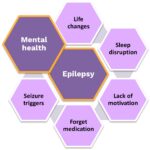


 We have factsheets on a range of topics including Driving, Alcohol, Mental Health, Pregnancy, Employment and more. Click below to browse the topics. If you still have further questions don’t hesitate to call our specialist epilepsy nurses on 1300 37 45 37 or





 This age is the most likely time in life to develop epilepsy


 Memory, attention and concentration are crucial for learning, and sometimes people with epilepsy complain of difficulties in this area. There are a number of reasons why someone with epilepsy has difficulties with memory and concentration and some possible causes include: